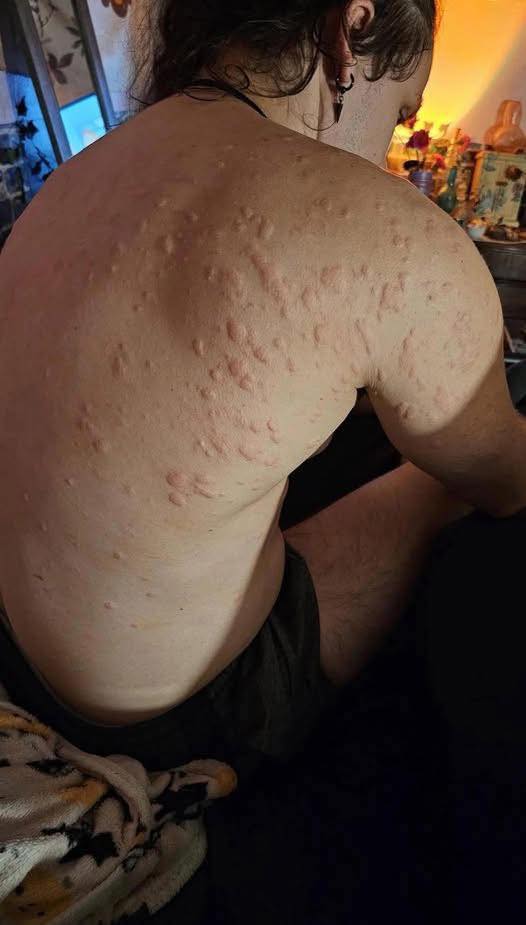
😱 Acestea sunt consecințele relațiilor pe care le ai… Vezi mai mult

Acestea sunt consecințele🥲 ale dormitului cu… Vezi mai mult
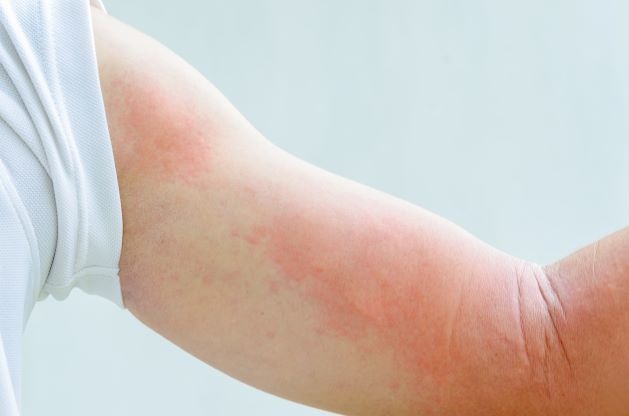
Itchy skin is a symptom many people experience at some point in their lives. Often, the cause is minor — a reaction to a new detergent, dry weather, or seasonal allergies. However, in some cases, persistent or widespread itching may point to a more complex health condition, such as chronic hives (also known as chronic urticaria).
This article explores what hives are, how they differ from allergies, what signs to look for, and how medical professionals suggest managing the condition effectively using verified and safe approaches.
Understanding Hives: More Than Just an Allergy
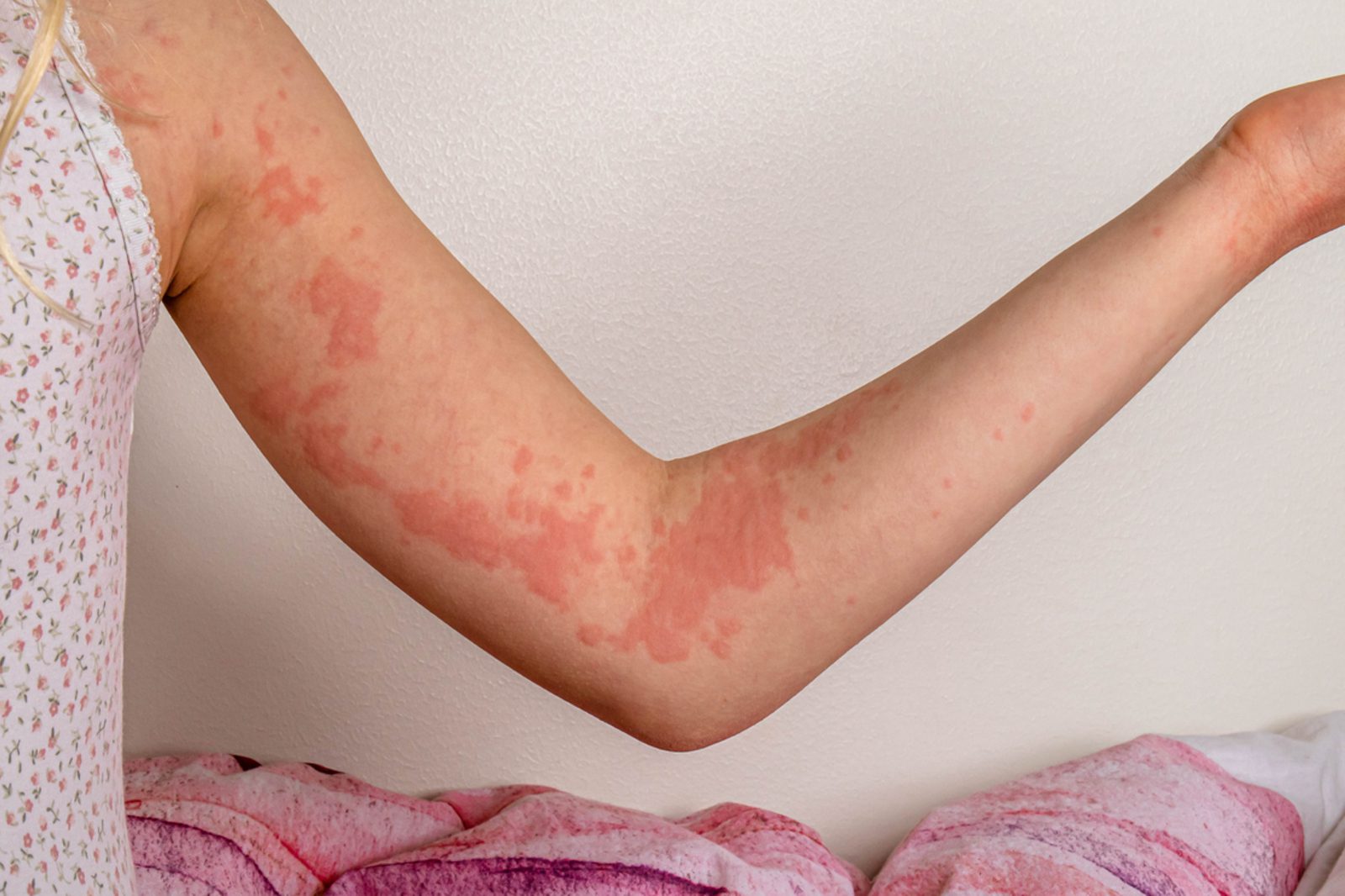
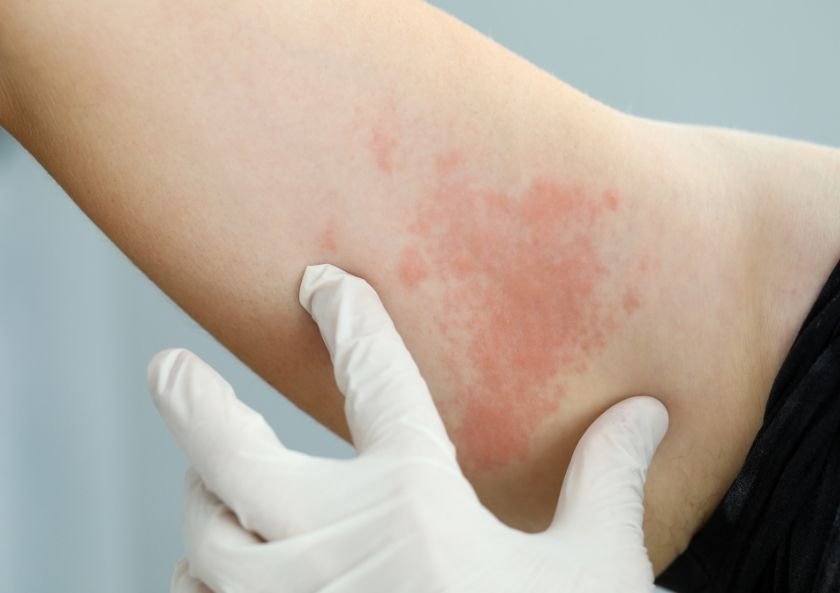
Hives (urticaria) are raised, red, itchy welts that appear on the skin. According to the American Academy of Dermatology (AAD), they occur when the body releases histamine and other chemicals into the bloodstream, typically in response to an allergen or other trigger.
There are two main types:
- Acute hives: Appear suddenly and typically resolve within 6 weeks.
- Chronic hives: Persist for more than 6 weeks and may recur for months or years.
While acute hives are often linked to allergic reactions — such as to foods, medications, or insect stings — chronic hives are less likely to be caused by identifiable allergens. In many cases, the exact cause remains unknown, though some research links them to autoimmune responses or thyroid disorders.
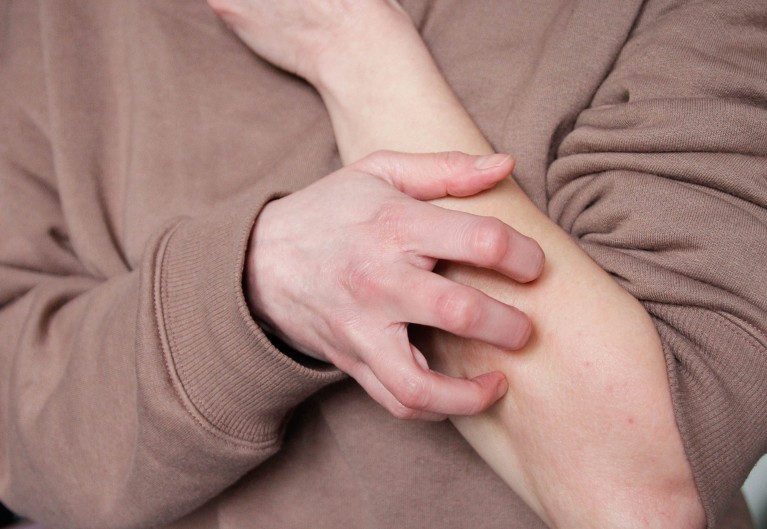
Common Symptoms of Hives
According to the Mayo Clinic, the following symptoms are typical in cases of urticaria:
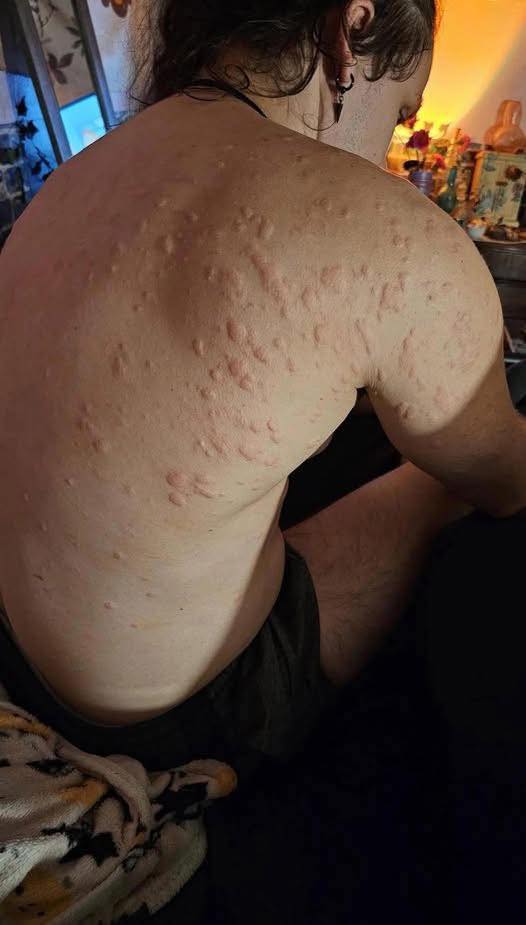
- Raised, itchy welts that may be red or skin-colored
- Welts that vary in size and shape, and may join together to form larger areas
- Welts that appear and fade repeatedly, often moving to different parts of the body
- Swelling (angioedema), particularly around the eyes, lips, hands, or feet in some cases
- Itching that may intensify at night or after physical activity
In severe cases, hives may be accompanied by dizziness, difficulty breathing, or swelling of the throat — which requires immediate emergency care.
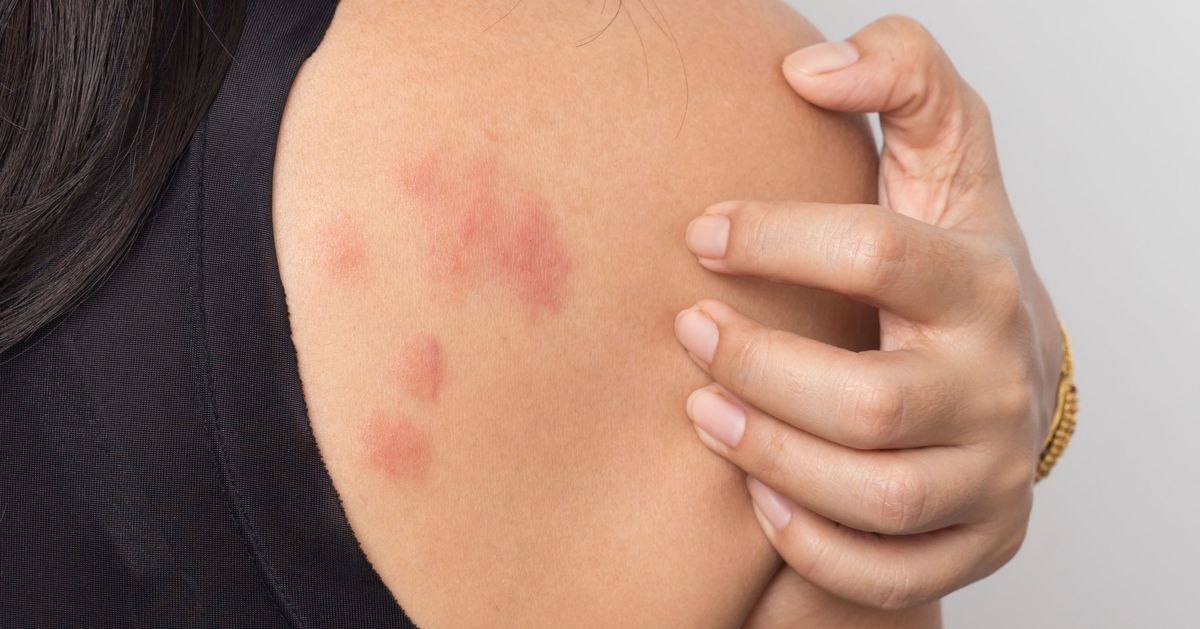
What Causes Hives?
Hives can be triggered by a wide variety of factors. Some of the most common causes identified by the NHS and CDC include:
- Food allergens: Shellfish, nuts, eggs, and certain fruits
- Medications: Antibiotics like penicillin, nonsteroidal anti-inflammatory drugs (NSAIDs)
- Environmental factors: Pollen, animal dander, or insect bites
- Physical stimuli: Pressure, temperature changes, sunlight, or exercise
- Infections: Viral infections such as colds or flu
- Stress and anxiety: Emotional triggers may exacerbate symptoms in sensitive individuals
- Autoimmune reactions: In some chronic cases, the immune system may mistakenly attack healthy skin cells
When to See a Doctor
Most mild cases of hives resolve without treatment or respond well to over-the-counter antihistamines. However, you should consult a healthcare provider if:
- Hives persist for more than a few days
- You experience recurrent episodes without a known trigger
- The welts are painful or develop blisters
- You have swelling of the face or difficulty breathing
A healthcare provider can assess your symptoms, rule out underlying causes such as autoimmune diseases or infections, and recommend safe and effective treatment options.

Evidence-Based Treatments for Hives
1. Antihistamines
First-line treatment usually involves non-drowsy antihistamines such as cetirizine or loratadine. These block histamine, reducing itching and swelling.
2. Prescription Medications
If symptoms are not controlled by standard antihistamines, your doctor may prescribe stronger options or a combination of medications, including:
- Hydroxyzine or diphenhydramine (used at bedtime)
- Montelukast (a leukotriene receptor antagonist)
- Corticosteroids (short-term use for severe cases)
- Omalizumab (an injectable biologic used in chronic hives)
3. Avoidance of Triggers
Once triggers are identified through clinical testing, avoiding them is key to preventing future outbreaks.
Home Care Tips That Are Backed by Science
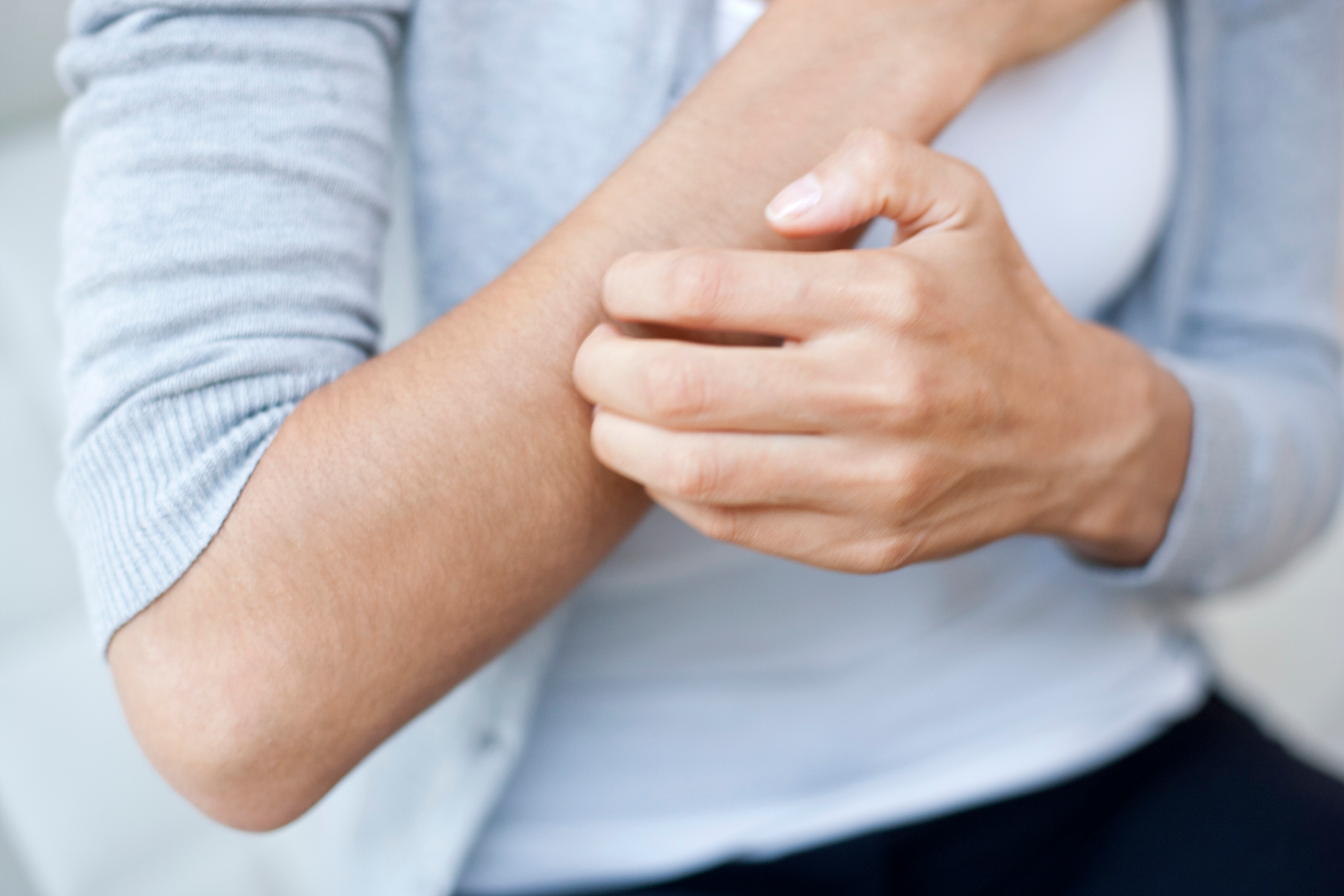
While medical evaluation is crucial, some supportive measures can help alleviate itching and discomfort:
- Cool compresses: Applying a cool, damp cloth to the affected area can soothe the skin
- Lukewarm baths: Soaking in colloidal oatmeal baths may reduce irritation
- Fragrance-free moisturizers: Keeping skin hydrated with unscented lotions can reduce sensitivity
- Wear loose-fitting clothing: Cotton fabrics are gentler on irritated skin
- Avoid hot showers: Heat can exacerbate symptoms
These remedies are recommended by both the AAD and the National Eczema Association, particularly for individuals with sensitive skin conditions.
Myths and Misinformation to Avoid
It’s important to be cautious with information found online or on social media. Some common misconceptions include:
- “Natural remedies cure chronic hives”: While natural remedies may relieve mild symptoms temporarily, they should never replace evidence-based medical treatments.
- “Itchy skin is always an allergy”: Itching can signal a wide range of conditions, including liver disorders, kidney problems, or autoimmune diseases. A proper diagnosis is essential.
- “Hives are contagious”: Hives themselves are not contagious, although underlying infections that trigger them could be.
Always consult a licensed healthcare provider before trying any treatment, especially if it involves essential oils, herbal products, or supplements, which may cause adverse reactions.
Living with Chronic Hives
Chronic hives can be frustrating, but with proper management, individuals can lead full and healthy lives. The key is consistent monitoring, avoiding known triggers, and staying in regular contact with your healthcare provider. According to the AAD, most chronic cases improve over time, and many patients eventually experience complete resolution.
Support groups, both online and in-person, may also be helpful for emotional support and sharing coping strategies.
Conclusion
While an itchy sensation may seem minor at first, persistent or widespread hives should not be ignored. With professional diagnosis and a combination of safe treatments and supportive care, hives can be effectively managed. Staying informed and seeking help early is the best way to protect your skin — and your overall well-being.
Acestea sunt consecințele🥲 ale dormitului cu… Vezi mai mult
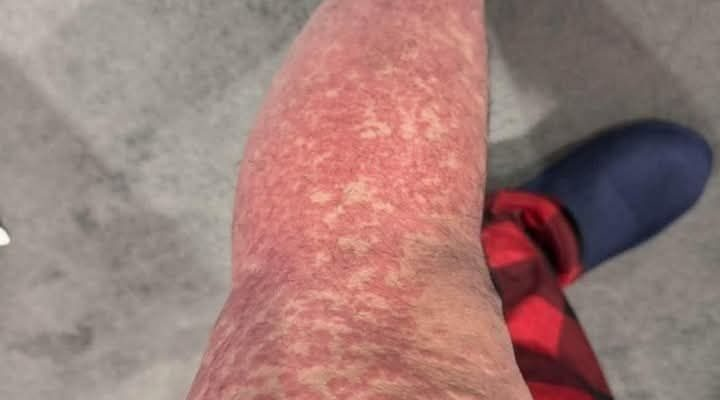
La prima vedere, ar putea părea inofensiv – poate o erupție roșie sau violacee pe picioare după o zi caldă de mers pe jos sau activități în aer liber.
Mulți oameni o consideră arsură solară, o reacție alergică sau câteva mușcături de insecte. Dar dacă corpul tău încearcă să-ți spună ceva mai grav?
Această erupție aparent ușoară ar putea fi vasculită indusă de exerciții fizice, o afecțiune în care vasele de sânge mici – cel mai adesea în partea inferioară a picioarelor – se inflamează în timpul activităților prelungite pe vreme caldă. Nu este pe scară largă cunoscută, dar este surprinzător de frecventă, în special în rândul adulților activi de peste 50 de ani, în special femeilor.
Ce este vasculita indusă de exerciții fizice?
Această afecțiune apare atunci când efortul fizic în condiții de căldură determină sângele să se avânte în capilarele de lângă suprafața pielii. La unele persoane, acest proces duce la acumularea de sânge în membrele inferioare, ceea ce duce la inflamație și o erupție cutanată distinctă. De obicei, apare pe glezne, gambe sau tibie, ajungând uneori chiar și la coapse.
Multe cazuri au fost observate la pasagerii vaselor de croazieră, în special după plimbări lungi în zone cu climă caldă. Aceste persoane se întorc adesea în cabinele lor și descoperă o erupție cutanată neașteptată care se formează chiar deasupra liniei șosetei. Presupunând că este o alergie, solicită tratament – doar pentru a li se spune că odihna și ridicarea picioarelor sunt cel mai bun remediu.
Recunoașterea simptomelor
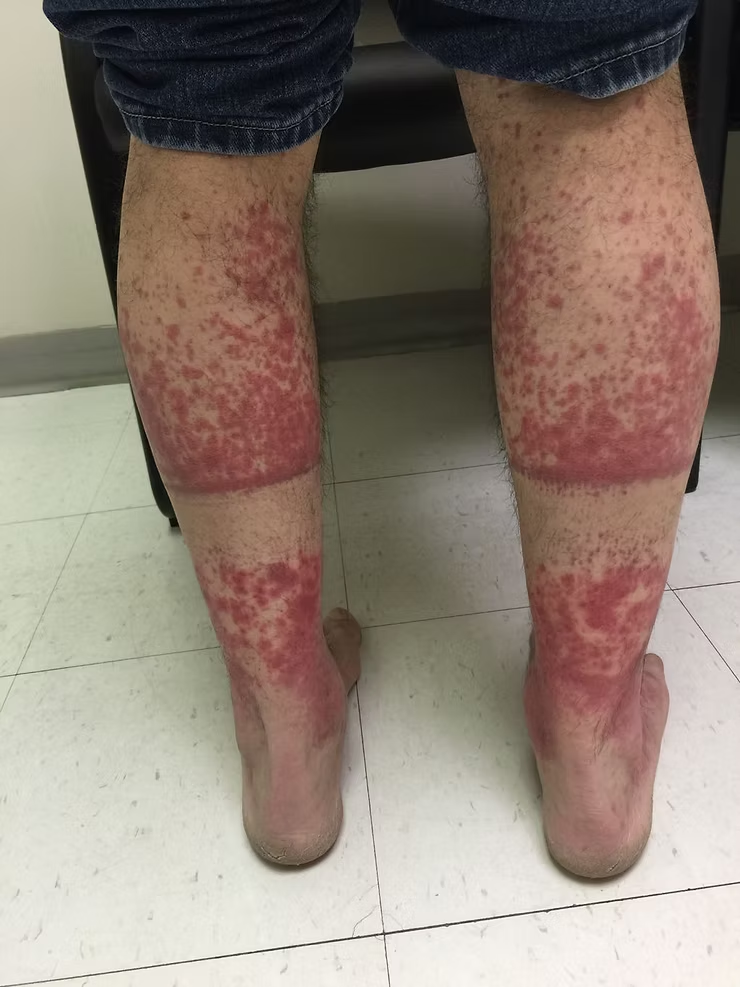
Umflături sau furnicături ușoare
În majoritatea cazurilor, erupția cutanată dispare în 7-10 zile, odată ce persoana se întoarce într-un mediu mai răcoros și își reduce activitatea fizică.
Cum să o ameliorezi
Deși nu este periculoasă, erupția cutanată poate fi iritantă. Iată câteva modalități de a ameliora disconfortul:
Comprese reci: Aplicați o cârpă umedă și rece pe zonele afectate (nu folosiți niciodată gheață direct pe piele).
Ridicați picioarele: Ridicarea picioarelor deasupra nivelului inimii îmbunătățește circulația și reduce umflarea.
Mențineți-vă hidratați: Hidratarea adecvată poate susține sănătatea vasculară și poate preveni agravarea simptomelor.
Antihistaminice: Opțiunile fără prescripție medicală pot reduce mâncărimea sau disconfortul.
Ce trebuie evitat
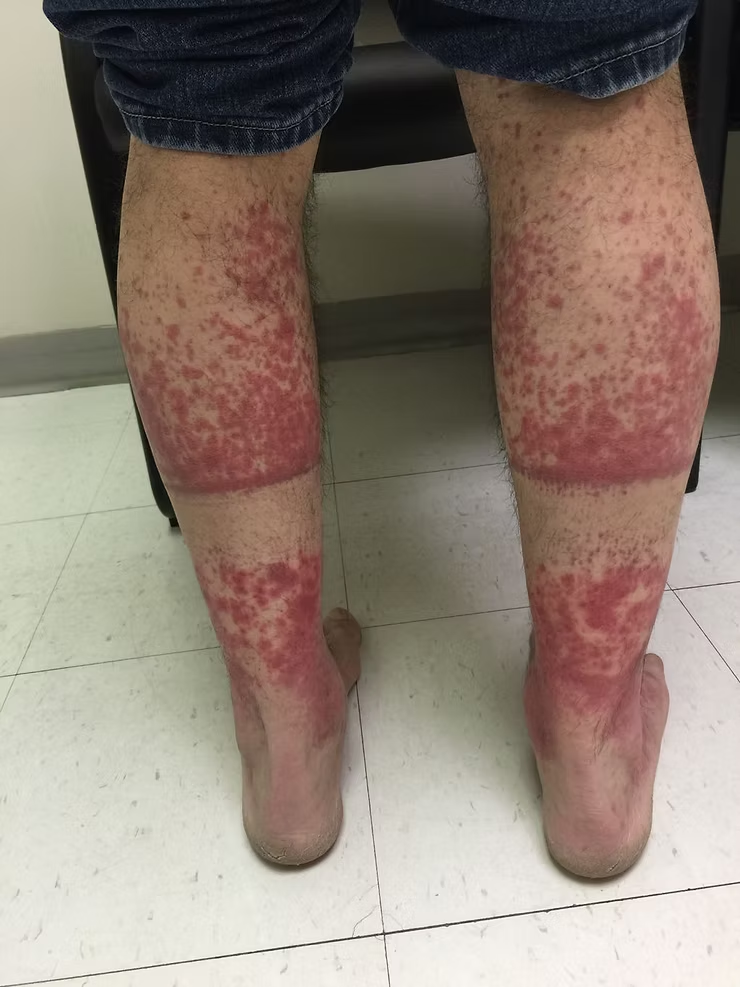
Antibiotice, fie aplicate pe piele, fie administrate oral, deoarece aceasta nu este o infecție.
Din păcate, nu puteți face prea multe pentru a preveni complet această afecțiune, cu excepția purtării de ciorapi compresivi (pe care mulți îi consideră inconfortabili) sau a limitării exercițiilor fizice în medii calde.
Când ar putea fi ceva mai grav
Deși vasculita indusă de exerciții fizice este de obicei inofensivă, unele afecțiuni periculoase pot imita aspectul acesteia. Este important să le putem distinge:
Celulită: O infecție bacteriană care face ca un picior să se înroșească, să se umfle, să devină cald la atingere și sensibil. Adesea se răspândește rapid și poate provoca febră sau stare generală de rău. Tratamentul medical este esențial.
Foliculită: Această infecție a foliculilor de păr apare adesea sub forma unor mici umflături roșii sau umplute cu puroi și poate apărea în urma utilizării căzii cu hidromasaj, mai ales dacă apa nu a fost bine igienizată.
Meningită: O urgență medicală. Un simptom cheie este o erupție cutanată care nu se albește – nu dispare la apăsare – însoțită de o stare de rău grav. Este necesară îngrijire medicală urgentă la spital.
Sepsis: O reacție potențial fatală la o infecție în organism. Căutați erupții cutanate punctuale, febră mare, frisoane și respirație rapidă. Solicitați imediat asistență medicală de urgență.
About the Author